Good evening!
I would first like to thank Dr. Thomas Proctor for his dedicated service and valuable contributions to MCMS this past year as President. It is a true honor to follow in his footsteps. His inspiring leadership has moved our Society forward with passion, purpose, and a clear voice.
In a time marked by significant challenges, Dr. Proctor met every obstacle with determination and vision. His relentless advocacy at the legislative level ensured that our profession was powerfully represented, while his commitment to keeping our Society strong and connected is deeply commendable.
We are energized by the foundation he has built and grateful for the high standard he has set. Please join me in giving a heartfelt and well-deserved round of applause for Dr. Thomas Proctor!
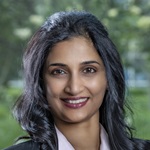
Standing here as the 176th President of the Montgomery County Medical Society, I am filled with gratitude and a deep sense of responsibility. For 175 years, this Society has represented the enduring strength of physicians united by a common purpose: to advocate, to innovate, and, above all, to serve.
Since 1849, this organization has been a cornerstone of our medical community, and I am truly honored to carry its legacy forward. As I step into this role, I do so with deep respect for the generations of leadership that have shaped this Society.
I am inspired by those who have led with dedication, advancing mentorship, advocacy, and service to elevate our profession. Their contributions—whether expanding digital access, safeguarding physician autonomy, or steering us through crises such as COVID-19—have reinforced the essential role of organized medicine. I am grateful and energized to carry that vision forward.
I would like to extend my heartfelt appreciation to all past presidents joining us this evening. I am equally grateful to our current board members for their dedication and tireless service to our physician community. I look forward to continuing to work with you in the year ahead.
My Journey
I grew up in a small village in India, the youngest of four daughters in a home where education—especially for girls—was viewed as a necessity, not a privilege. Encouraged by my parents’ progressive spirit, I pursued medicine, a path that took me from India to Chicago and finally to Dayton, where I found my calling in oncology.
I have walked the winding road of private practice, feeling every bump and jolt, and now serve as an employed physician at Premier Blood and Cancer Center.
Alongside my husband, Dr. Annadorai Kalahasthy—a constant mentor and partner—and inspired daily by our two children, one thriving in information technology and the other lighting up our world with her unique joy, I remain committed to compassionate, patient-centered care.
The Changing Landscape of Healthcare
I still remember the early days of my oncology practice, a time when cancer care was refreshingly straightforward: diagnose, treat, hope, repeat.
Patients came in weighed down by fear and uncertainty. Chemotherapy and radiation were not enough. They needed a foundation strong enough to carry them through the storm.
By the mid-2010s, however, the cracks in the traditional care model were impossible to ignore. Rising costs, ballooning administrative burdens, endless prior authorization hurdles, staff shortages, and patient dissatisfaction all pointed to a sobering truth: oncology could no longer survive—let alone thrive—without fundamental change.
Concepts such as team-based care, value-based reimbursement, and survivorship planning promised a better future. We cautiously embraced them by building multidisciplinary teams, integrating remote monitoring, and participating in the Centers for Medicare & Medicaid Services’ Oncology Care Model. Patients benefited, outcomes improved, and satisfaction rose.
Yet beneath the surface, new challenges festered. The demands of data collection, reporting, and compliance grew heavier every year. Administrative overhead skyrocketed. Insurers layered new obstacles onto already strained systems: prior authorizations for routine scans, denials for lifesaving therapies, and endless appeals.
“We found ourselves spending more time fighting bureaucracy than treating cancer.”
Meanwhile, payment reforms often lagged behind clinical realities. Reimbursement models failed to account for the complexities of cancer care, especially for socially vulnerable or medically complex patients.
Small, independent oncology practices struggled. Many merged with hospitals or private equity firms simply to survive, sacrificing a degree of physician autonomy that once defined our profession.
Although I tell this story through the lens of an oncologist, these challenges are universal. Whether you are a surgeon, emergency physician, cardiologist, or gastroenterologist, the battle is the same.
No innovation within clinic walls can overcome systemic barriers outside of them. Change requires more than adaptation. It requires advocacy.
We must have a seat at the table, not only in exam rooms but also in boardrooms and policy circles. It is about ensuring that physicians’ voices—and patients’ well-being—remain at the center of the healthcare narrative.
Physician Burnout
Let’s be honest: medicine today often feels like a juggling act.
According to a 2023 AMA report, physicians spend more than 27 hours each week on paperwork—more time than they spend seeing patients. At this point, the electronic health record might as well be considered a second specialty.
Burnout is no longer just a buzzword. It is an epidemic. Nearly 42% of physicians report feeling burned out, and more than half are considering reducing their hours or leaving the profession altogether.
If we do not act, “physician” could become an endangered species, right alongside house calls and free weekends.
To truly ease this burden, we as a Medical Society must create space for physicians to reconnect with one another, offer the support they need to heal, and ensure that they have both the freedom and the opportunity to voice their concerns and be heard.
Mentorship
We carry the responsibility of mentoring our medical students, residents, and fellows. We must offer guidance, encourage research, and nurture a lifelong love of learning.
We also have a duty to teach the next generation that caring for patients does not end at the bedside. It must continue into the halls of government.
If we do not shape the future of our profession, others surely will.
Physicians today face the evolving challenge of sharing patient care with nurse practitioners, physician assistants, and other healthcare professionals who have become vital allies in delivering care.
Although there are many models of collaboration, maintaining high-quality care presents ongoing challenges.
Strong physician leadership is essential to define roles, establish clear expectations, and ensure that care remains coordinated, consistent, and centered on the best possible patient outcomes.
The Role of Our Medical Society
In these challenging times, our Medical Society is more than a professional home. It is a lifeline.
Here, collaboration becomes advocacy, mentorship becomes leadership, and frustration transforms into constructive change.
Vision for the Year Ahead
In the year ahead, I envision our Society built upon three pillars:
Advocacy
Because if we are not at the table, we are on the menu!
Mentorship
Because wisdom not shared is wisdom wasted!
Fellowship and Collaboration
Creating educational and social events that unite physicians, their families, and our broader community while building lasting bonds that extend far beyond clinic walls.
Collaboration and Fostering Fellowship
I believe deeply in the power of collaboration. Tonight, we are joined by physicians from all major healthcare systems in our city, united through the common platform of MCMS. We are honored by the presence of these leaders.
I extend my heartfelt thanks to the Ohio State Medical Association and the American Medical Association for their tireless advocacy.
Special thanks to Dr. Lisa Egbert, Dr. Deepak Kumar, Dr. John Corker, and all the physicians who are actively engaged in ensuring that our collective voice is heard—strong, clear, and unwavering—at both the state and national levels.
Special thanks as well to State Representative Andrea White and Monica Hueckel, Vice President of Advocacy at OSMA, for being here today, sharing your valuable perspectives on healthcare, and listening to our concerns.
We hope you will carry our voice forward as you advocate for our profession and the communities we serve. I am glad our members had the opportunity to voice their concerns.
Thank you to Dr. Becky Thomas from Public Health – Dayton & Montgomery County for being here today and for continually updating and advising us on current issues.
I also look forward to deepening our partnership with the MCMS Alliance, a longstanding companion whose vision and service have touched countless lives throughout the Greater Dayton community. Thank you for joining us today.
Thank you all for being here. The strength of our Society depends on active members—people like you—who offer their time, their voices, and their passion. Even simple acts, such as renewing your membership, make a meaningful difference.
What’s Coming
MCMS is excited to host an event this fall, bringing families together for a blend of social and educational sessions.
We are planning a Women Physicians’ event this summer to foster support and empowerment within our community.
Additionally, we will continue supporting successful blood drives and collaborative events with medical students while working to formalize our mentorship program to guide and support the next generation of physicians.
Stay tuned for updates as we finalize the dates so you can add them to your calendars.
And a huge thank-you to Gerri, the heart behind this evening and the day-to-day operations of MCMS.
Closing
I want to conclude by saying that the road ahead may be challenging, but we are resilient. After all, who but physicians could handle this much chaos with this much grace?
Together—with unity, compassion, and a steadfast refusal to settle for “good enough”—we will not merely endure these times. We will shape them.
Some say medicine is in crisis. But standing here among you, I say medicine is still in good hands.
Thank you for your trust, your partnership, and your unwavering commitment to medicine.
Let’s get to work!